
By: BHS Features Staff
September 9, 2026

Here at The Return of the Eye, the Features Staff writes on a wide range of topics that are non-Brooklyn-related. These topics can vary from local, state, and national entertainment pieces to those that are geared towards informing our dedicated readers on important matters. Speaking of important matters, this first article outlines the struggles of the American Public School system. So, let’s get right into it.
When you click on a modern public school website, what do you see? Most likely, you will see children smiling brightly, pencils gripped in their hands, eager to learn, with the glossy, diverse family photo gradually shifting from light to dark. They emphasize the spread of diversity, showing how the kids accept everyone, no matter the hue painted on their bodies.
But beyond these photogenic, shining smiles of children is a deeper issue. Unfortunately, segregation in American school systems—despite the laws—never actually ended; it was stylized.
Spanning across the U.S., some public schools often use this diversity marketing to exhibit an image of harmony while simultaneously maintaining a crack in the road: An unequal system driven by race and money. Based on careful research, modern education systems use the illusion of equality to deflect responsibility and protect the wealthy, leaving minority students to bear the weight of systemic abandonment and hostility.
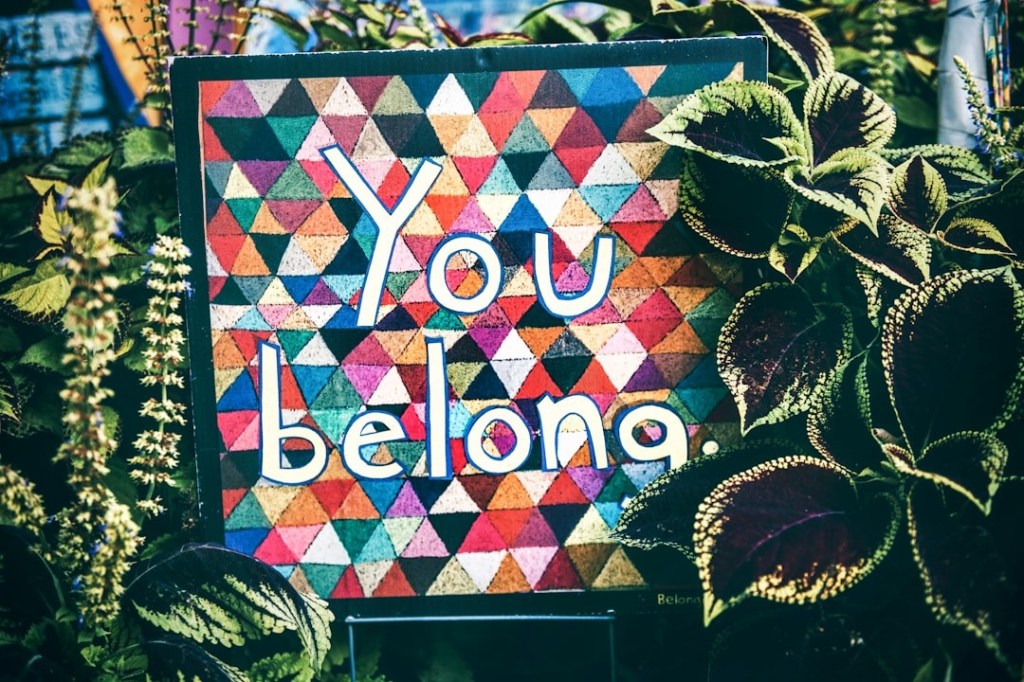
For years, schools have used these propagandized images to hide students who are still divided by race and money. In his work, Nick Hanauer points out that politicians, economists, and society love to push what he calls “educationism.” This is the confusing idea that both poverty and rising inequality are largely consequences of America’s failing education system. Instead of blaming economic inequality, they use educationism to place a weighted blame on schools, tilting the balance and therefore limiting the rich’s expenses regarding the school system. This thinking is incredibly common among the wealthy, forming another way to prevent their money from going to charity.
Jonathan Kozol shows a similar perspective, arguing that the people in power use a fashionable reflex nowadays to declare that integration “failed,” so they can accept an “equal” society through which it is clearly separated. Kozol has provided meticulous data to prove that these hyper-segregated environments function within an apartheid education. In “Overcoming Apartheid,” Kozol portrays this neglect by showing state governments defunding successful urban-suburban transfer programs, similar to the plans in Milwaukee and St. Louis, even though students have visibly stunning graduation rates. He shows how unfair this neglect is, highlighting how politicians chose to fiercely oppose integration plans that work, which nevertheless forced minority students back into isolated systems.
Nikole Hannah-Jones bridges these ideas, showing how schools use different legal maneuvers to mask segregation. Across these bodies of text, it becomes clear that schools across the U.S. use diversity, socioeconomic status, or race to mask a hostile and divided reality. This systematic issue (how budget cuts, administrative neglect, and the abandonment of minority students affect what type of education they receive) is deeply entrenched.
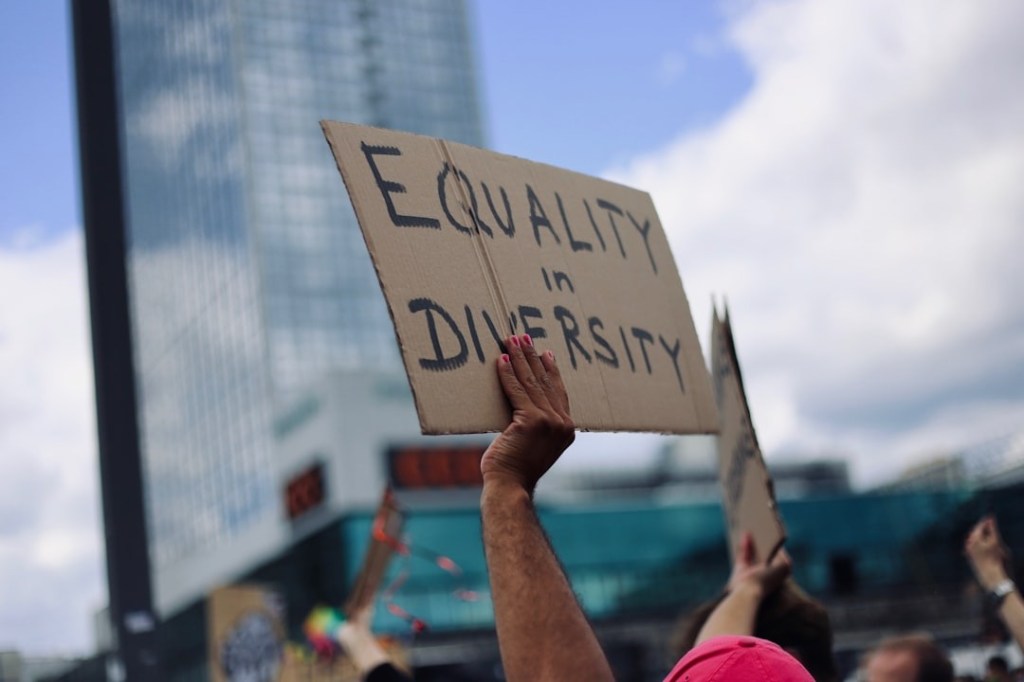
When adults lock their voices and zip their lips about racial hostility, you force these children to carry this psychological burden that being quiet is better than ever speaking at all. This tells marginalized students that their peace is secondary to adults having comfortable conversations to lead the next generation.
Hannah-Jones gives another example of this abandonment when she observes the Normandy School District in Missouri, revealing how state officials and the court system repeatedly fail to step in and protect black students, letting schools lose their accreditation and ultimately leaving vulnerable kids stranded.
Hanauer pushes economics into the mix, pointing out that “family circumstances explain 60 percent [of student outcomes].” Taken together, the evidence suggests educational inequality isn’t an accident but a well-planned chess match marked by political and clinical abandonment by those in charge.
Beyond the continuous trauma that minority students face in numerous public schools, it’s this institutional silence that continues to spread like the plague, especially in low-income households where students have to run from school to school, moving just so their parents can find some stable income to support their families.
This isn’t just political failure; it is continuous trauma that breaks student friendships, decays mental health, and pushes vulnerable families to the brink of exhaustion.
So, how do we fix this? Stay tuned for next week’s article on solutions and steps forward.
(Information sourced from: ProPublica, The Atlantic, and The Nation.)

