By: Kaylee Spiva and Camille Samilton
November 18, 2026
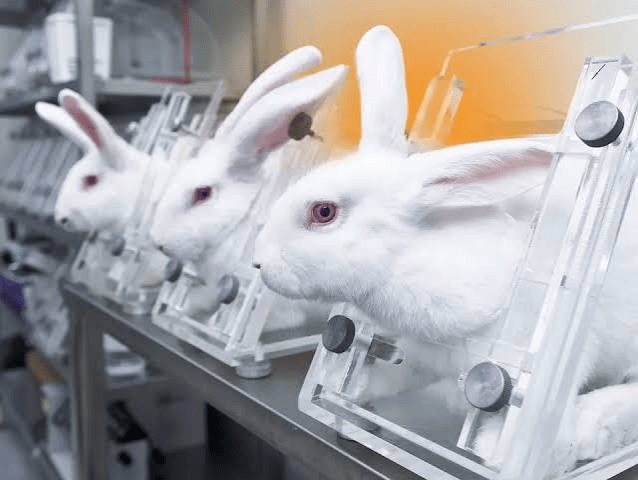
Millions of silent voices, unsuspecting of the horrors about to fall upon them, at the cost of human greed.
Behind lab doors, voiceless animals, in total isolation, are completely unaware of the tests about to be conducted on them in the name of science and industry. Controversial for decades, aching with loneliness and longing to be free, all they can do is sit and wait in fear of what’s about to happen next.
More than 100 million animals suffer and die in The United States every year due to chemical, drug, food, and cosmetic tests, along with medical training exercises.
Millions of these silent voices whisper: “Why not test the humans?” Subjecting humans to untested chemical compounds, drugs, or toxic substances is a violation of human rights, but what about the animals? What makes their lives less valuable than a human’s? Just because they have a silent voice? That’s what these companies have failed to answer for decades.
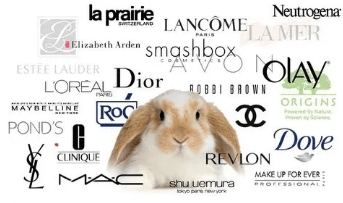
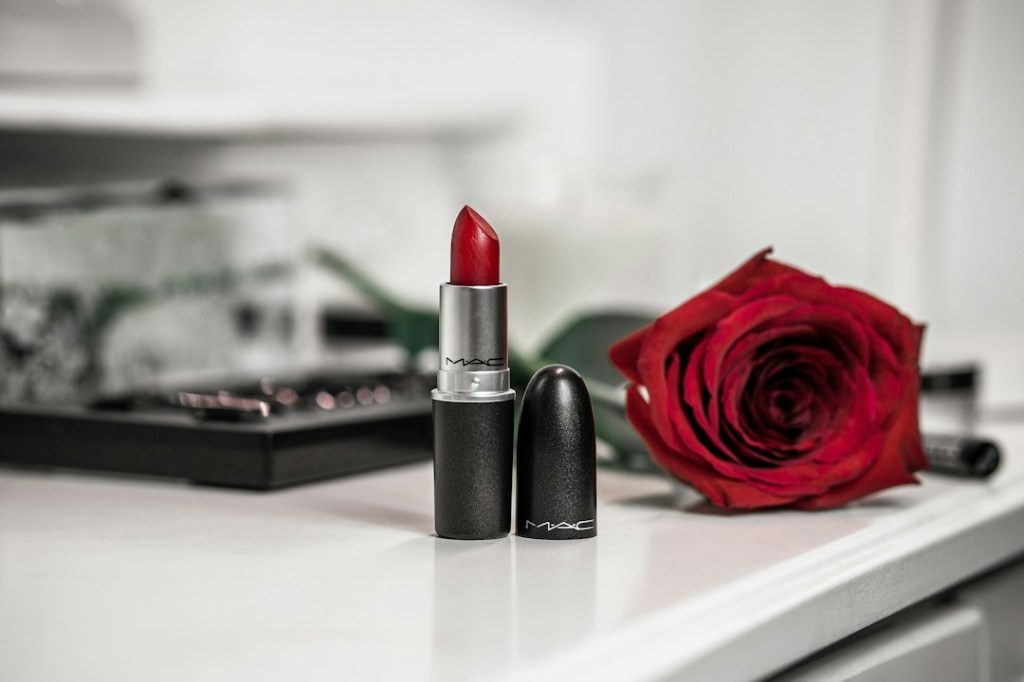
Animals used for makeup products and ingredient testing are usually small and docile, often prey animals that are otherwise often kept as pets. These typically include rabbits, hamsters, guinea pigs, mice, and rats. In most cases, these animals are killed after they’re experimented on.
Even though there are more effective and humane alternatives to cosmetic animal testing out there, many cosmetic companies still continue to test their products on animals.
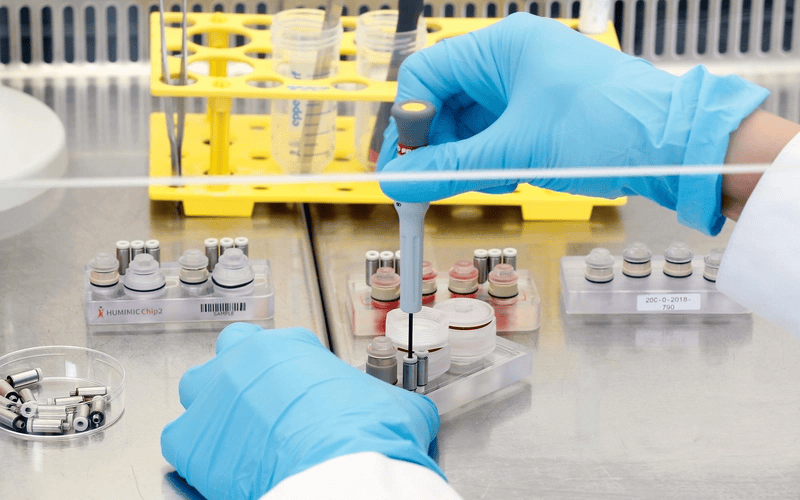
Seventeen years ago, cell biologist Donald Ingber and his colleagues at Harvard University’s Wyss Institute submitted a paper to the Science Journal describing their model human lung. It was smaller than a USB stick and made of a clear polymer slab containing narrow channels, which were lined with the type of cells that line a lung’s air sacs and blood vessels. When air was pumped through hollow chambers beside the channels, the device rhythmically expanded and contracted. In other words, it “breathed”.
This was a powerful proof-of-principle demonstration of a system that could be used to test drugs and other chemicals, providing a complement and even an alternative to testing in tissue cultures or in animals. Even so, the editors at Science Journal were hesitant. They rejected the paper and suggested that Ingber’s team also run their tests on mice.
Cosmetics companies test their products on animals in a variety of ways. Sometimes, they’ll rub a product or ingredient on an animal’s skin to see if there’s an allergic reaction. They also inject substances into their bloodstream or oral force-feed them to determine what extent the ingredient is absorbed into the animal’s bloodstream.
The U.S. Department of Health and Human Services Secretary Robert F. Kennedy, Jr. recently stated that his department, which oversees several science agencies, is “deeply committed to ending animal experimentation”. He also called for an end to the import of exotic animals for scientific studies.
The question is still circulating, though: Why not switch to humane alternatives to cosmetic animal testing?