
By: Camille Samilton
October 7, 2026
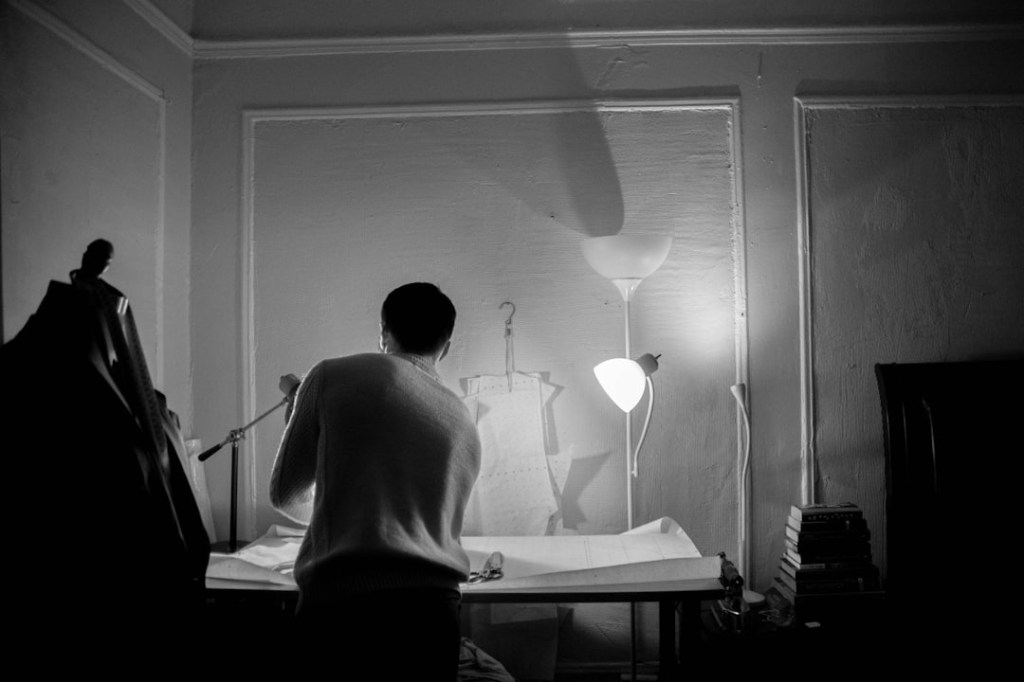
You are told to create, to be something. So, you craft and you find something you can do. You spend years practicing, learning, and immersing yourself, driving yourself to conceive that ideal image. When you share your work, you turn to the machine standing beside you, which is scanning your work, and it is mastered within seconds.
You stare at your sullied hands and ask yourself: Do I need to create?
“A lot of the ideas that are produced by large language models or other forms of AI, particularly general AI, are very similar and grouped around similar concepts. Human beings are much better at creating ideas that are very different.” – Saeema Ahmed-Kristensen
When people look at the research into the cognitive effects of AI-assisted creativity, it shows an elaborate sequence of what exactly AI does and can do.
With the complexity and modernization of Artificial Intelligence, the result is this review of 25 students regarding AI-assisted writing and creativity. ScienceDirect argues that AI can boost that ‘creativity trigger’ if used in appropriate doses, but excessive reliance on AI can prevent students from developing original ideas devoid of it.
AI does not inherently make a person less creative, in certain instances, as some may think.
Researchers have published in ScienceAdvances that AI assistance can make these individual stories by authors more creative, while also reporting that readers can find the content within those stories more enjoyable.
Conversely, both ScienceAdvances and ARXIV came to similar conclusions on how, over time, this can decrease the number of diverse ideas as a collection within the overall writing, tropes, and overall plot within books. It is similar to how multiple book covers in the same genre can look very aesthetically comparable in a bookstore.
If this machine can give us the idea, develop it, visualize it, and produce it, then what exactly are humans learning how to create if AI can cause us to become the creator?

