*Third Grade Teacher*
By: BHS Staff Profiles
November 18, 2022
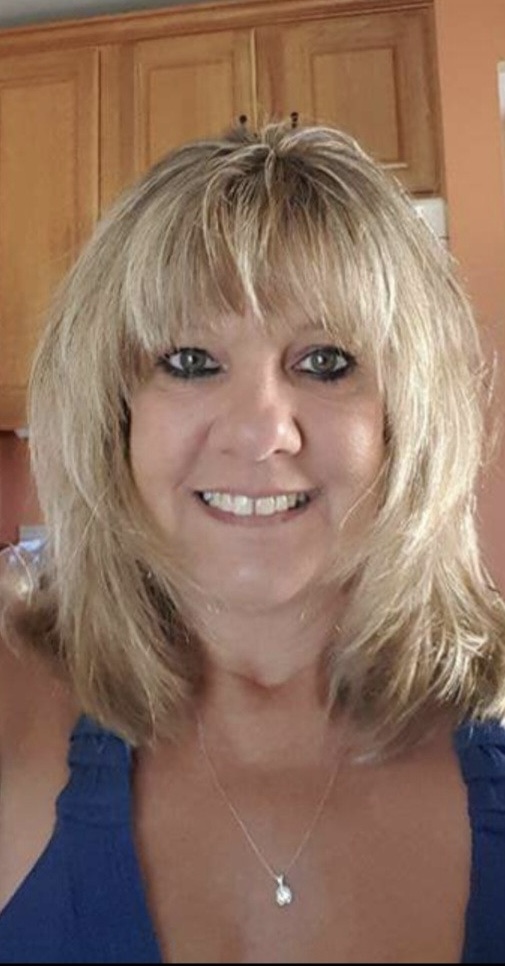
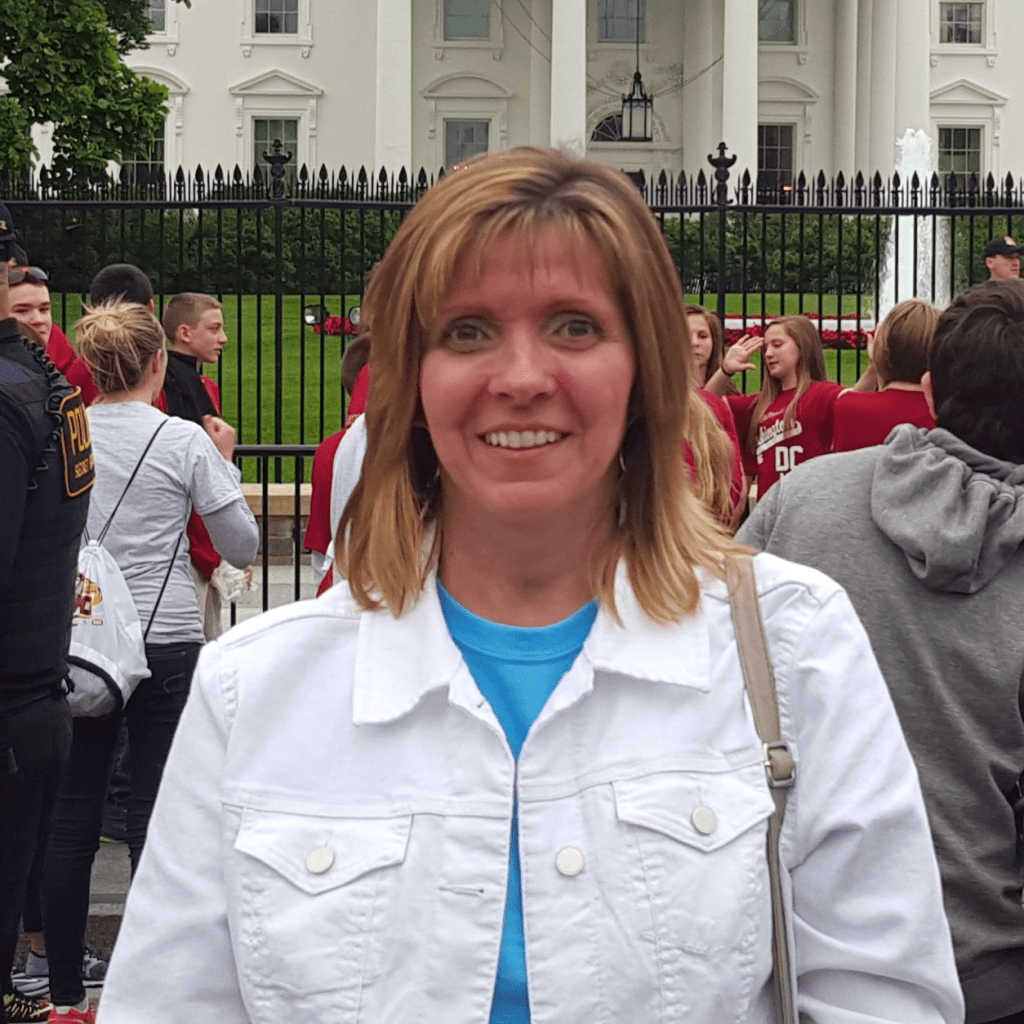
Chosen for this week’s Staff Spotlight is Ms. Samantha Green! She has now been a teacher at the Brooklyn School for two years. Aside from being a staff member, Ms. Green was in the Navy for four years. In her free time, she likes to read books, especially handheld books rather than using her Kindle or using a device to read; she enjoys the feeling of just being able to sit, read, and flip the pages. One thing that may interest you is that she has eaten the same breakfast item for the last 12 years: one Thomas’ Everything Bagel.
Q: What inspired you to become a teacher?
A: “My son. I was in college, and I wanted to become a forensic scientist. I wanted to learn everything about him and be the best mom I could be. I leaned more towards being a teacher.”
Q: What is it like teaching third grade?
A: “It can be fun but challenging at times. As a teacher, it’s always nice to get to see who they’re turning out to be, like the little person that they’re going to grow up to be. It’s also pretty cool to see them start coming into their own personalities and their own thoughts. But sometimes, it can be challenging just because the curriculum from second grade to third grade jumps quite a bit, and it’s also the first time that they take the state test, and they’re not used to the rigor that they have to start to adjust to. Just having to grow up in such a short amount of time can be very challenging for the students.”
Q: What are the pros and cons of being a teacher?
A: “A pro would be being around kids. A con would be being around kids (just kidding); it’s always a pro. But sometimes, they forget that we’re here for them, especially when it’s an assignment or a subject that is maybe not their favorite. They think that you’re assigning stuff or showing them things, and they don’t realize the bigger picture that you’re trying to show them. They don’t see it, so they just think you’re just teaching this stuff just to be hard on them or for no reason when there’s really significance behind it. Another pro is being able to shape how the next generation is going to be. Another con is just all the testing; I think we test kids way too much.”
Q: What teaching methods do you like to use to help your students better understand what is being taught to them?
A: “Hands-on-teaching is usually my favorite. Anything that they can do and be involved with is helpful. When they’re more engaged, it means less behavior issues. They’re more likely to master what’s being taught because they actually got to do it. It’s one thing to read about how to do something versus actually doing it yourself. Anything where I can bring things that are relatable to their life; for example, when I used to teach math and I taught fractions, I would bring in Hershey bars. They would be able to learn in a fun way and have the reward of eating them afterwards. Anything where we can do things and relate it to the things in their life now, I definitely think that helps them be able to master it and be interested; whereas, if they’re not interested, it’s just going to take that much longer for me to get to teach it and for them to learn it.”
Q: As a teacher, how do you deal with a stressful situation?
A: “Take deep breaths. When I used to teach preschool in Florida, one of the things I learned was called conscious discipline. It’s not so much on how to calm down the kids, but it’s more so for yourself as a teacher. As the teacher, the kids look to you for the climate in the classroom, so if I’m in a bad mood or I’m getting upset easily, they can feel my mood, and it’s going to affect the whole climate of the classroom. Just being able to remember that I need to self-regulate first, whether that be breathing techniques, counting backwards, or whatever it may be, remembering that I only get one snapshot of that child or whatever the behavior is, I might not know what might be happening at home that might be causing that behavior, so I always try to step back and think of the whole picture instead of just what I’m seeing.”
Q: How did being in the military shape you into the person you are today?
A: “I think I was always a little OCD growing up. The military definitely shows you how to be even more structured, so I’m a very structured person in my personal life as well as in my classroom. I think that’s very helpful because kids, especially young kids, but also older kids tend to thrive on routine when you already know what to expect; that makes for a better classroom environment. Especially when you might have kids who have certain learning preferences or they might have things like ADHD or other learning disabilities, the routine and that structure is very helpful because it helps to stop anything that would normally mess up the day and help them to learn better. I definitely think that structure in the military helped. But also just being able to ‘put out fires quickly,’ obviously not literal fires but in the sense that you might be doing something different today than you were doing yesterday and something different tomorrow. Just being able to go with the flow and be flexible are definitely skills that you have to have in teaching.”
Q: Who is your biggest inspiration and why?
A: “I wouldn’t say that I necessarily have an inspiration, but I have driving factors. My driving factors are my kids. A lot of people say that their inspiration is their parents or things like that. I had a really rough childhood, so I try to aspire to be the best parent I can be and try to make sure that my kids are successful, whether it’s my two kids at home or my classroom kids just because I know what it is to grow up in a situation being filled with poverty and many other additional factors. There’s a very diverse population here, and everyone comes from so many different backgrounds. I just try to use that as my inspiration to be better for my kids and be the best I can be so that the next generation is better off.”
Q: Describe what it was like to be in the military.
A: “At the time, I enjoyed it. The travel was nice. But the job, the one I specifically worked at, was really difficult, especially for females. I was in a division where there were 200 men and only six women; a lot of times, the six of us would have to work twice or three times as hard as our male counterparts just because we were women. I was also small, so I always felt like I was always put in tight situations that were extremely dangerous. I was stationed on an aircraft carrier, and those are the biggest ships that the Navy has. What they do is they have F18’s and other different types of propeller planes, so when you’re out on the sea, we have four catapult tracks, and you have to hook up the plane to the catapult track, and then they have these things called jet blast deflectors that are just a giant wall that they put up because the F18’s have to go full power, and that is so the people behind don’t fall off the boat. So you have to hook up the plane to the catapult track, then the catapult track shoots them super fast so that at full blast, the pilot can be able to keep going. So because I was small, one of my jobs was to go under the plane as it was on full blast to hook up the plane to the catapult track. So things like that I did not enjoy! And, I also didn’t like how other people had so much control over my day-to-day activities. They really do own you for however long you choose to enlist. I don’t mind following directions and instructions, but when I’m being told when I have to go to sleep, that’s a problem. But it definitely made me the person I am today, so I don’t regret it. But if I could do it all over again, I would probably do things a little bit differently and go in as an officer instead of enlisting, but for the most part, it definitely made me stronger. At the time, those were challenges that I didn’t know if I was going to be able to meet; then, I was able to and that made me a stronger woman than I would’ve been without the experience.”
Q: If you had an all-expenses paid vacation to anywhere in the world, where would you go?
A: “I would like to go on a cruise ship that is as long as six months; it takes you all around the world. I want to travel everywhere; I love traveling. Actually, when I started teaching, I wasn’t sure if I wanted to be an elementary teacher or a high school social studies teacher. I love history like the Roman Empire and the Greek Tragedies. So just being able to go to places like Europe, I did do some traveling while I was in the military, but again, that was controlled. So without a doubt, it would definitely be cool to go on a six month cruise where you can stop at each place and just get to experience it all and have a good time.”
Q: What is your favorite season?
A: “I would say Fall mainly because of sweater weather, light jacket weather, and the different colors of the leaves falling and all of that good stuff. It’s usually not too cold and not too hot. I get angry when I get too hot, which is why I left Florida! Color wise, weather wise, all the pumpkin patches and hayrides, Halloween, it’s all just great!”
Thank you for letting us interview you, but most importantly, thank you for your service. It was such a pleasant experience getting to know you, and we wish you the best throughout the rest of this school year and beyond. Enjoy that daily bagel!